Source Reversible Stitched Ice Hockey Jersey for Ball Sports Racing Track
Compare 14 listings for the reversible stitched ice hockey jersey designed for ball sports, racing, and track events. Buyers can evaluate features like quick-drying and moisture-wicking materials, customization options, and competitive pricing from verified suppliers; compare the available evidence and request quotations based on your requirements.
Key considerations
Products List


Comprehensive Sourcing Guide
Reversible Stitched Ice Hockey Jersey Sourcing Guide
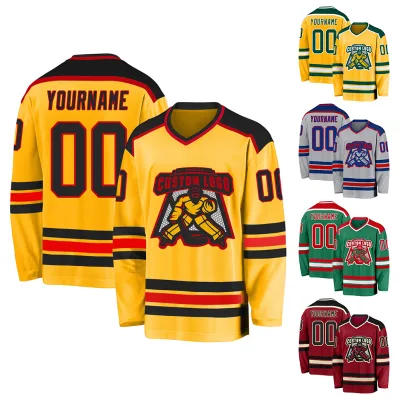
Procuring a reversible stitched ice hockey jersey requires navigating a market where specific technical attributes like sublimation printing and custom sizing often coexist with traditional knitted cotton constructions. Buyers must distinguish between high-performance polyester models designed for quick-drying and moisture-wicking in intense ball sports and racing, and casual cotton blends intended for promotional or training use. The observed product range includes diverse models such as hockey304 and hockey296, each potentially serving different operational needs within the same category.
The supply landscape indicates a strong presence of OEM services originating from China, with specific hubs like Guangzhou offering flexible customization for logos, labels, and colors. While some listings highlight competitive pricing and low minimum order quantities of just one piece, others enforce stricter thresholds of 100 pieces for custom specifications. This variance necessitates a clear definition of volume requirements before engaging suppliers, as the cost structure and production timeline will shift significantly between sample orders and bulk procurement runs.
Product Scope and Observed Listing Signals
The available inventory spans a wide spectrum of functional attributes, ranging from anti-static and anti-UV treatments to standard moisture absorption features. Buyers should carefully review the listed fabric composition, as products may be constructed from 100% polyester, cotton, or blended CVC and TC materials. The observed patterns include both plain and patterned designs, with some items featuring specific sleeve shapes like normal short sleeves and round neck collars, while others offer fully customized dimensions to fit specific team requirements.
Listing signals also reveal significant variation in delivery logistics and packaging standards. Some suppliers utilize express carriers like DHL or FedEx for smaller shipments, while others rely on standard polybag and carton packaging with defined dimensions of 53x50x36cm. The sample lead time is consistently noted as 5-7 days, but the full production delivery time can extend to 2-3 weeks. Understanding these logistical signals is critical for aligning procurement schedules with upcoming game seasons or promotional events.
Technical Specifications to Verify
Verification of the stitching and printing techniques is paramount, as the market offers both sublimation printed and knitted options that yield different durability and aesthetic results. Buyers must confirm whether the reversible nature of the jersey is achieved through double-sided sublimation or distinct fabric layers, ensuring the design remains vibrant on both sides. The presence of specific model numbers like hockey120 or hockey252 suggests distinct production runs, so confirming the exact technical specs for the chosen model is essential to avoid receiving a non-reversible variant.
Fabric performance characteristics must be validated against the intended usage environment, particularly for high-intensity activities like track and field or hockey. While some products boast quick-drying and breathable properties suitable for summer sports, others may prioritize comfort with cotton blends that lack the same moisture-wicking efficiency. It is crucial to verify the sleeve style and collar construction, as these elements impact player mobility and comfort during prolonged physical exertion in competitive settings.
Compliance and Safety Documentation
Although specific certification standards are not universally listed in the provided data, buyers should request documentation confirming that materials meet international safety requirements for textiles used in sports. The origin of the goods, primarily from China, necessitates a review of any applicable export compliance records to ensure the products adhere to the safety regulations of the destination market. Without explicit mention of certifications, the burden falls on the buyer to verify that the polyester or cotton fabrics are free from harmful substances and dyes.
Safety verification also extends to the structural integrity of the stitching and the reversibility mechanism itself. Buyers should ensure that the reversible design does not compromise the garment's durability during high-contact sports like rugby or hockey. Documentation regarding the production standards, even if listed as "customized," should be reviewed to confirm that the manufacturing process maintains consistent quality control. This due diligence helps mitigate risks associated with product failure during critical athletic events.
Cost Drivers and Commercial Terms
Pricing in this sector is highly dynamic, often described as competitive but strictly tied to the specification and quantity ordered. The observed price range of 2 to 20 USD suggests that costs fluctuate based on material complexity, such as the choice between standard polyester and specialized blends, as well as the intricacy of the custom printing or embroidery. Buyers must understand that the "competitive price" label is relative and will increase significantly if custom logos, specific colors, or unique sizes are required beyond the standard offerings.
Commercial terms regarding minimum order quantities (MOQ) vary widely, with some suppliers accepting single-piece orders while others mandate a minimum of 100 pieces for custom runs. This disparity directly impacts the total cost of ownership, as small orders may incur higher per-unit costs or shipping fees. Additionally, the lead time of 2-3 weeks for production and the 5-7 day sample window must be factored into the budget planning, as expedited services or rush orders could introduce additional premiums not reflected in the base price.
Supplier Qualification and Quality Control
Supplier qualification should focus on their capacity to deliver OEM services with a proven track record in producing hockey jerseys and similar athletic wear. Buyers must assess the supplier's ability to handle customized sizes and designs, as the market data indicates a high demand for tailored solutions. Verifying the supplier's location, such as those in Guangzhou, can provide insight into their logistical capabilities and their familiarity with international shipping standards required for global distribution.
Quality control protocols must be established to ensure consistency across the production run, particularly given the variation in observed materials and techniques. Buyers should implement a rigorous inspection process to verify that the sublimation printing is secure and that the reversible feature functions correctly without fabric distortion. Establishing clear acceptance criteria for the finished product, including checks on stitching strength and color fastness, is essential to maintain brand reputation and ensure player satisfaction.
Long-Term Procurement Checks
Sustaining a successful procurement relationship requires regular audits of the supplier's ability to maintain consistent quality over multiple production cycles. Buyers should monitor the supplier's adherence to the agreed-upon lead times and their responsiveness to any changes in design or material specifications. The flexibility to adjust order quantities and the ability to source alternative materials like CVC or TC blends are key indicators of a supplier's long-term viability and adaptability.
Continuous evaluation of the product performance in the field is also necessary to identify any recurring issues with durability or comfort. Buyers should gather feedback from athletes regarding the moisture-wicking capabilities and the overall fit of the jerseys to inform future purchasing decisions. By maintaining a proactive approach to supplier management and product testing, organizations can ensure a reliable supply chain that meets the evolving demands of the ice hockey and broader sports market.
FAQs
What materials are used for reversible stitched ice hockey jerseys?
These jerseys are primarily made from polyester or cotton blends. Some options include 100% polyester, CVC, or TC fabrics. Customized material choices are available to meet specific performance needs. The fabric selection ensures durability and comfort for adult athletes during intense physical activities like hockey or ball sports.
Can I customize the size and logo on these jerseys?
Yes, customization is available for size, logo, and label. You can specify any size requirements, and the manufacturer supports OEM services. Logos can be added via screen printing or embroidery. This flexibility allows teams to create unique, branded apparel that fits their specific roster and design preferences accurately.
What is the minimum order quantity for these hockey jerseys?
The minimum order quantity varies by supplier. Some vendors accept orders as low as one piece, while others require a minimum of 100 pieces. This range accommodates both individual buyers and larger teams. You should confirm the specific MOQ with the supplier before placing your order to ensure it meets your needs.
How long does it take to produce and deliver these jerseys?
Sample production typically takes five to seven days. Bulk delivery time is generally two to three weeks after order confirmation. Shipping methods include DHL or FedEx for international delivery. These timelines ensure timely receipt of your customized hockey jerseys, allowing you to prepare for the upcoming season or event without significant delays.
What printing techniques are used for these ice hockey jerseys?
Sublimation printing is a common technique used for these jerseys. It allows for vibrant, full-color designs that are durable and do not crack. Additionally, screen printing and embroidery options are available for logos. These methods ensure high-quality graphics that withstand frequent washing and intense physical activity during games and training sessions.
Are these jerseys suitable for various sports activities?
Yes, these jerseys are designed for multiple sports including hockey, soccer, rugby, and gym training. They feature breathable, moisture-wicking, and quick-drying properties. The fabric helps regulate body temperature and keeps athletes dry. This versatility makes them ideal for ball sports, track and field, and other high-intensity physical activities requiring comfort and performance.